Lucy Hale Committed Herself To Sobriety & Now Says Life Is Better Than Ever
Actor Lucy Hale has spoken to multiple interviewers regarding her journey to sobriety and its benefits. Here's what she had to share with them.
Read More

Actor Lucy Hale has spoken to multiple interviewers regarding her journey to sobriety and its benefits. Here's what she had to share with them.
Read More
Theranos founder Elizabeth Holmes is known to have eaten a vegan diet prior to going prison; however, she said this medical condition has forced her to change.
Read More
Many beloved TV, film, and music stars have embraced vegetarianism, becoming passionate advocates for plant-based diets and swearing by their numerous benefits.
Read More
The 1990s were certainly a strange time for fad diets, with numerous now-outdated practices that would make modern-day health-conscious consumers cringe.
Read More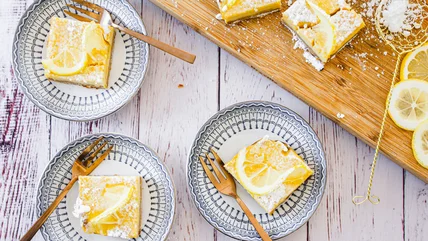
These healthy lemon bars taste so rich, creamy, and luxurious, you'll never know they are made without grains or processed sweeteners.
Read More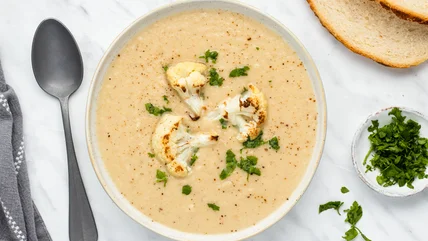
This flavorful roasted cauliflower soup is extra creamy thanks to the addition of cannellini beans. Serve it with a slice of crusty bread for the ultimate meal.
Read More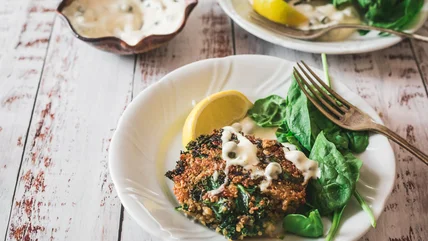
Served with homemade tartar sauce, when you enjoy these healthy kale quinoa cakes for lunch, you'll feel as though you're dining by the sea.
Read More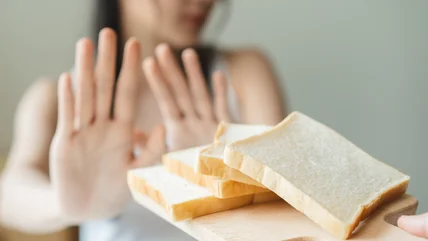
The "no white food" rule, which restricts processed white foods like pasta and bread, might sound simple. However, it can have real health benefits.
Read More
Actor Kim Basinger has long been a proponent of this diet, having followed it for decades, and its benefits to the 72-year-old thespian are clearly noticeable.
Read More
An estimated 79 million people worldwide are choosing a vegan diet these days, including some of your favorite celebrities.
Read More
Madonna has reportedly been a devotee of the macrobiotic diet for decades, and it seems to have worked for her. However, the diet does come with certain risks.
Read More
Overdoing it on the booze can wreak havoc. Here's a look at what happens to your body (and life) when you stop drinking alcohol. Spoiler: It's kind of awesome.
Read More
If you're someone who always eats until they feel full, this mindful eating habit may help you shed unwanted pounds (and extend your lifespan in the process).
Read More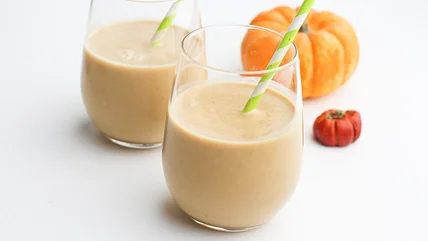
With fall in full swing, we all have our sights set on one quintessential fall food: pumpkin. This smoothie is a great way to incorporate it into your diet.
Read More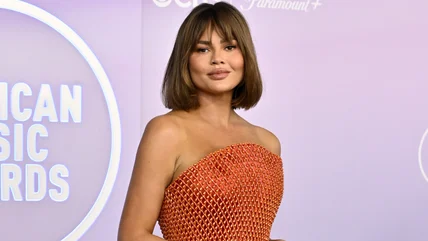
From Chrissy Teigen to Brett Young, many celebrities have become sober after turning 40, and science says that this can help many aspects of one's health.
Read More
Per research, few people in the United States really know what cholesterol is or how it relates to heart health. Here are some popular cholesterol myths.
Read More
The actor fills her diet with foods that meet her nutritional needs and fuel her workouts, and even has favorite go-to snacks for particularly hectic days.
Read More
With her self-professed big appetite, the country singer put effort into making sure her regular diet was nutritionally balanced but not overly restrictive.
Read More
The legendary country singer was open about her complicated relationship with food, and talked about her balanced approach to eating in numerous interviews.
Read More
As someone who wasn't much of a drinker, entertainment icon Dolly Parton stuck to a few personal rules whenever she'd indulge in a glass or two of wine.
Read More
A pinch of salt goes a long way, but many are using more than a pinch. Here's a look at some of the ways your body may be trying to tell you to cut back.
Read More
According to the pop star, she became obsessed with making this baked good. Her fixation on her baking favorite may be doing her blood sugar levels a favor.
Read More
From the name alone, vegetarian pasta may sound like both a nutritional powerhouse and the superior choice among all pastas. But is it really that healthy?
Read More
To say that Travis Kelce has a sweet tooth may be an understatement. Surprisingly, though, there may be some benefits to the NFL star indulging in sweet treats.
Read More
Brad Pitt recently admitted that he has resumed drinking alcohol after being sober for a few years. However, other celebrities, like these, have done the same.
Read More
Many believe that, like many of her Hollywood contemporaries, Audrey Hepburn had a strict diet. But her son revealed surprising details about her eating habits.
Read More
The denizens of the Wild West were said to be particularly fond of this breakfast staple — a "superfood" that offers more than just heart health benefits.
Read More